


What Are Those Numbers on the Tire’s Sidewall Say?
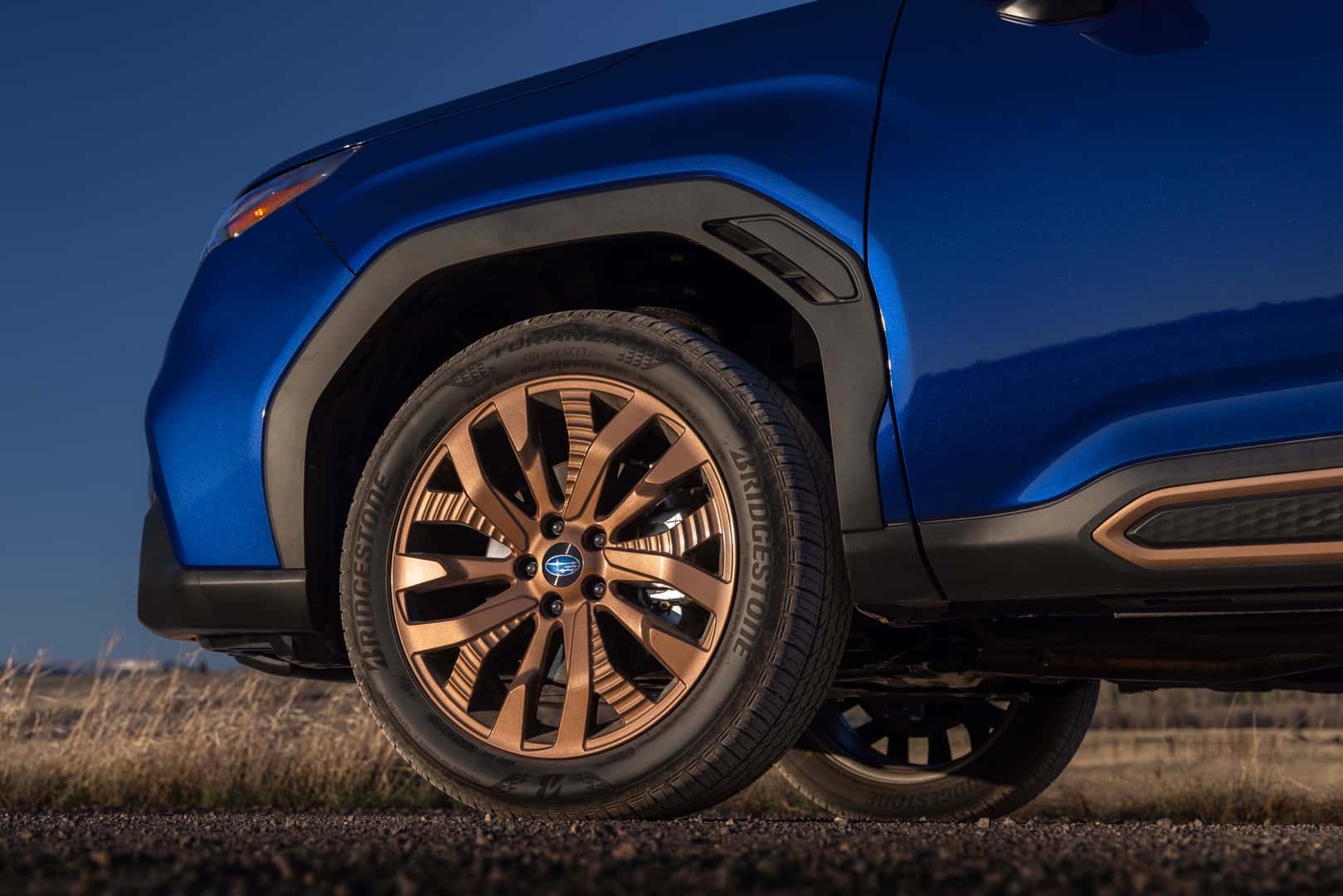
Your tires are the most essential element of your Subaru. They are the difference between getting you through every kind of weather and across every kind of road surface safely and securely.
When it comes to changing your tires for new ones, how do you know which tires you should get for your Subaru? Or, for that matter, if your tires are old enough to warrant replacement? Fortunately, the answers can be found on the sidewalls of your current tires.
There’s a lot of information molded into the sidewalls of your tires. While many shoppers focus on the tire brand and model, there’s also a series of numbers that help identify the tire’s size, load rating, and performance abilities. Knowing these figures will help you find the right tires for your Subaru that can meet the original factory standards.
If you were to look at the sidewall of a tire on a 2026 Outback Limited, you might see the following:
P 225 / 50 R18 100H M+S
While that might seem like robotic code, it’s actually extremely informative. Let’s break this down.
- The P stands for Passenger, indicating this is a tire designed for passenger-focused vehicles, like cars and light crossovers. You will find all Subaru models wear passenger type tires.
- 225 indicates the width of the tire’s tread, measured in millimeters.
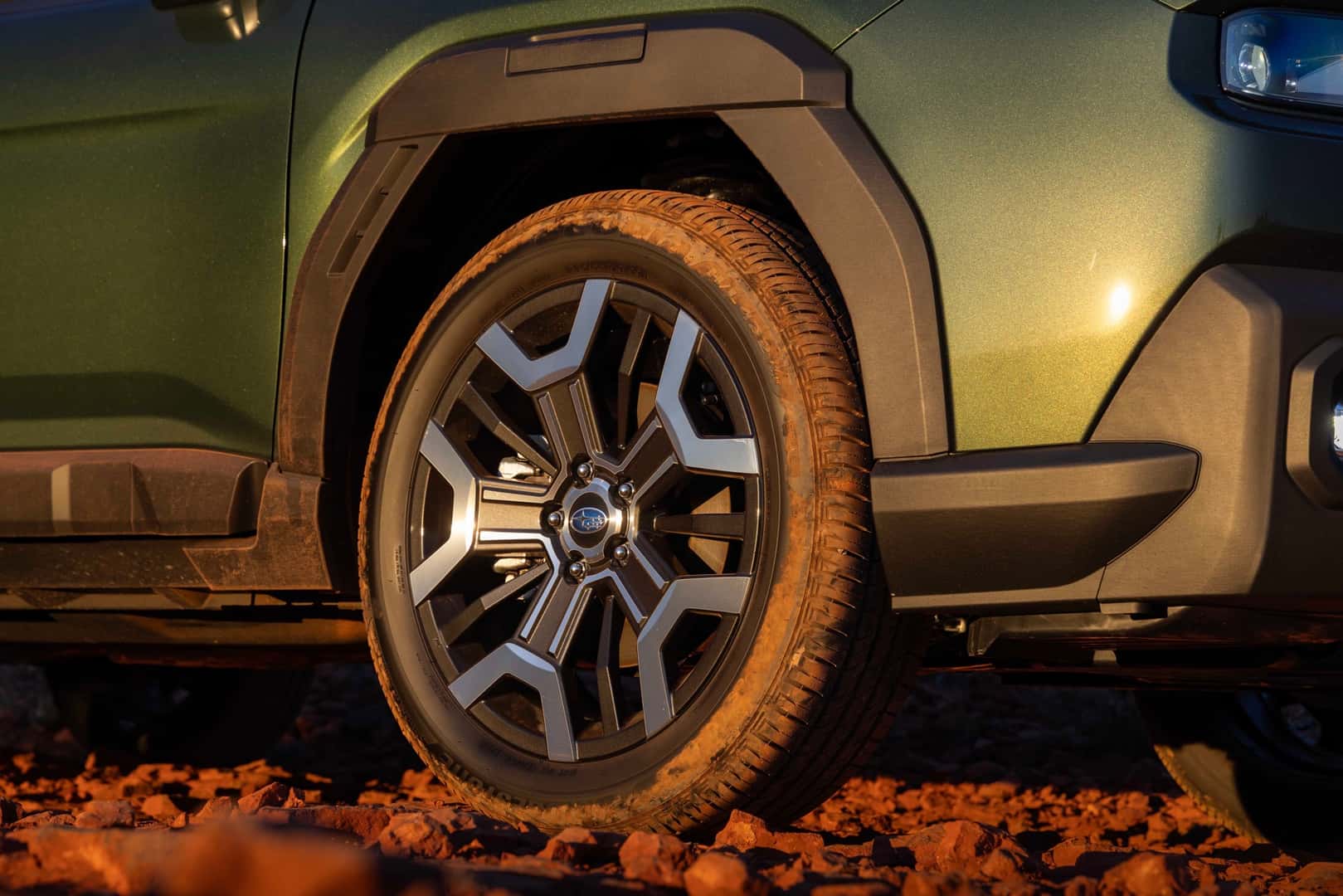
- The next two digits – 50 in this instance – is the aspect ratio of the tire, which compares the height of a tire’s sidewall to the aforementioned tread width. Here, a 50 means the sidewall height is half the width of its cross-section. In some cases, this is a critical number – smaller sidewalls may be best suited for sportier cars like the BRZ or WRX, while taller sidewalls are desirable on vehicles designed to tackle rough terrain off-road.
- R indicates the tire is a radial-construction tire, wherein the cords within a tire are arranged in a radial pattern. Today, all modern passenger vehicle tires are radial tires.
- The 100 is the load index, which indicates a tire’s maximum load capacity when properly inflated. Heavier vehicles – be they SUVs, trucks, or even electric vehicles – may require tires with higher load indexes.
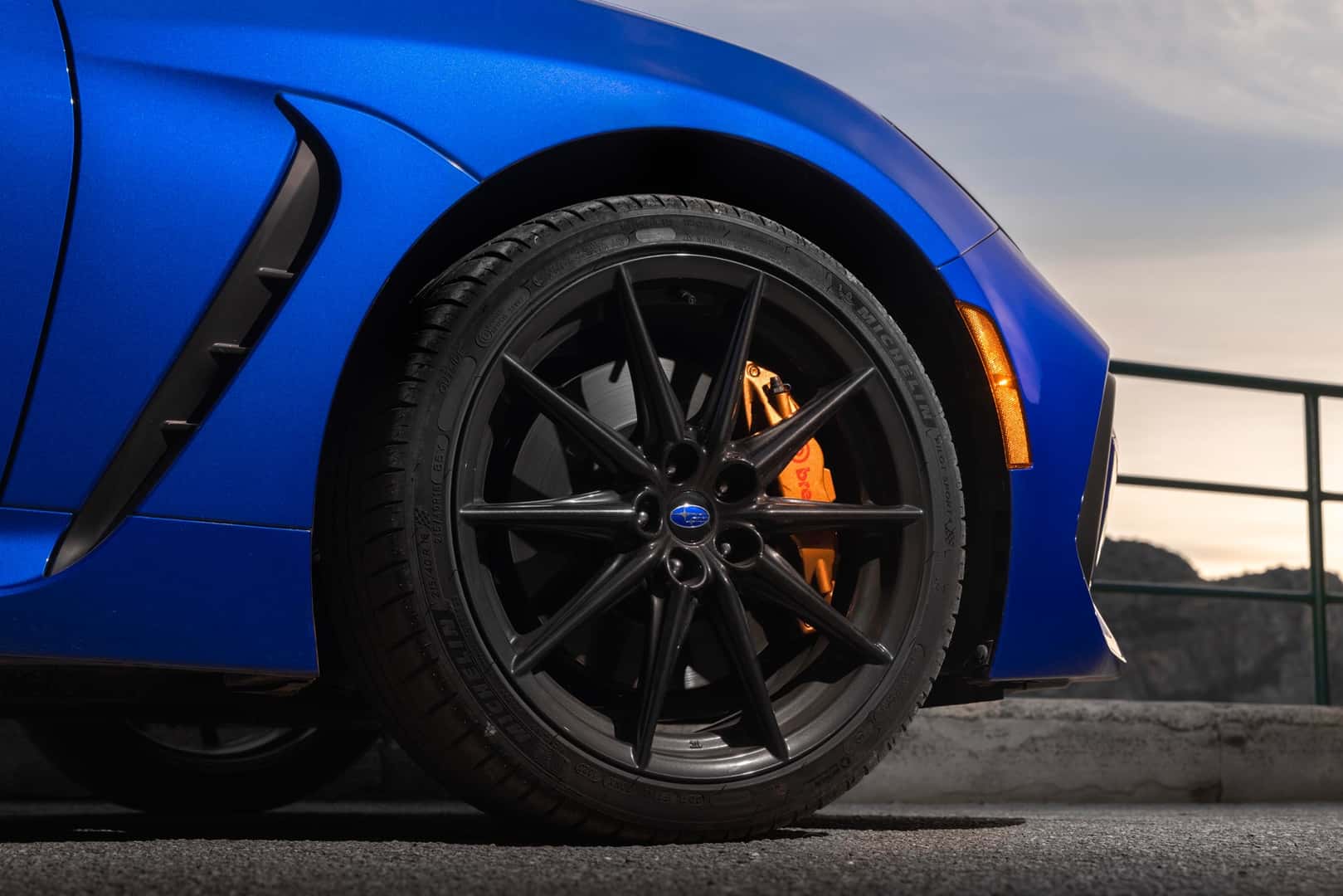
- The H is the speed rating, showing a tire’s maximum speed it can safely travel when properly inflated. In this case, H indicates a maximum speed of 130 MPH, while V-rated tires, like those on the WRX or BRZ, are capable of 149 MPH
- The M+S suffix, which is sometimes accompanied by an icon showing a mountain and snowflake, is a severe weather rating. This indicates the tire was developed to handle muddy and snowy conditions – ideal for Subaru’s range of SUVs and crossovers.
There are other numbers and letters you will find on your tires. These pertain to the treadwear, traction, and temperature ratings and are found in a smaller font than the size and main rating ones. A three number code for treadwear indicates the potential longevity of the tire. The traction code – usually a letter or a combination of a letter and a number – signifies a tire’s ability to stop in wet conditions. Then there’s the temperature letter code, which tells you about the safest maximum speed before a tire fails under certain air temperatures.
One rating you will find on the tire is for the maximum allowable inflation for each one. This is good information to have, but it is always suggested to read the label inside the driver’s door sill or in the owner’s manual to ensure you are properly inflating these tires for safe driving.
You’ll also find a string of 13 numbers following the letters “DOT.” Pay close attention to those last four digits here, as they indicate when the tire was manufactured. The first two numbers in that four-digit string indicate the week of the year, while the last two show the year itself. Given tires should be replaced as they approach their 6th birthday, these are important to keep in mind.
When it comes down to replacing your tires with the exact ones that are required for your vehicle, a visit to the Michael Hohl Subaru service center is the best stop to make. Make an appointment with us and check out our tire center to get the right ones mounted and balanced for your Subaru.
0 comment(s) so far on What Are Those Numbers on the Tire’s Sidewall Say?