


Cars.com Compares 2026 Outback with 2026 Toyota 4Runner
Subaru and Toyota have collaborated on several models, including EVs and sports cars. However, when it comes to the Outback and 4Runner, each company is on its own. Yet they have enough in common that Cars.com decided to compare the two. Let Michael Hohl Subaru take you along for this comparison.
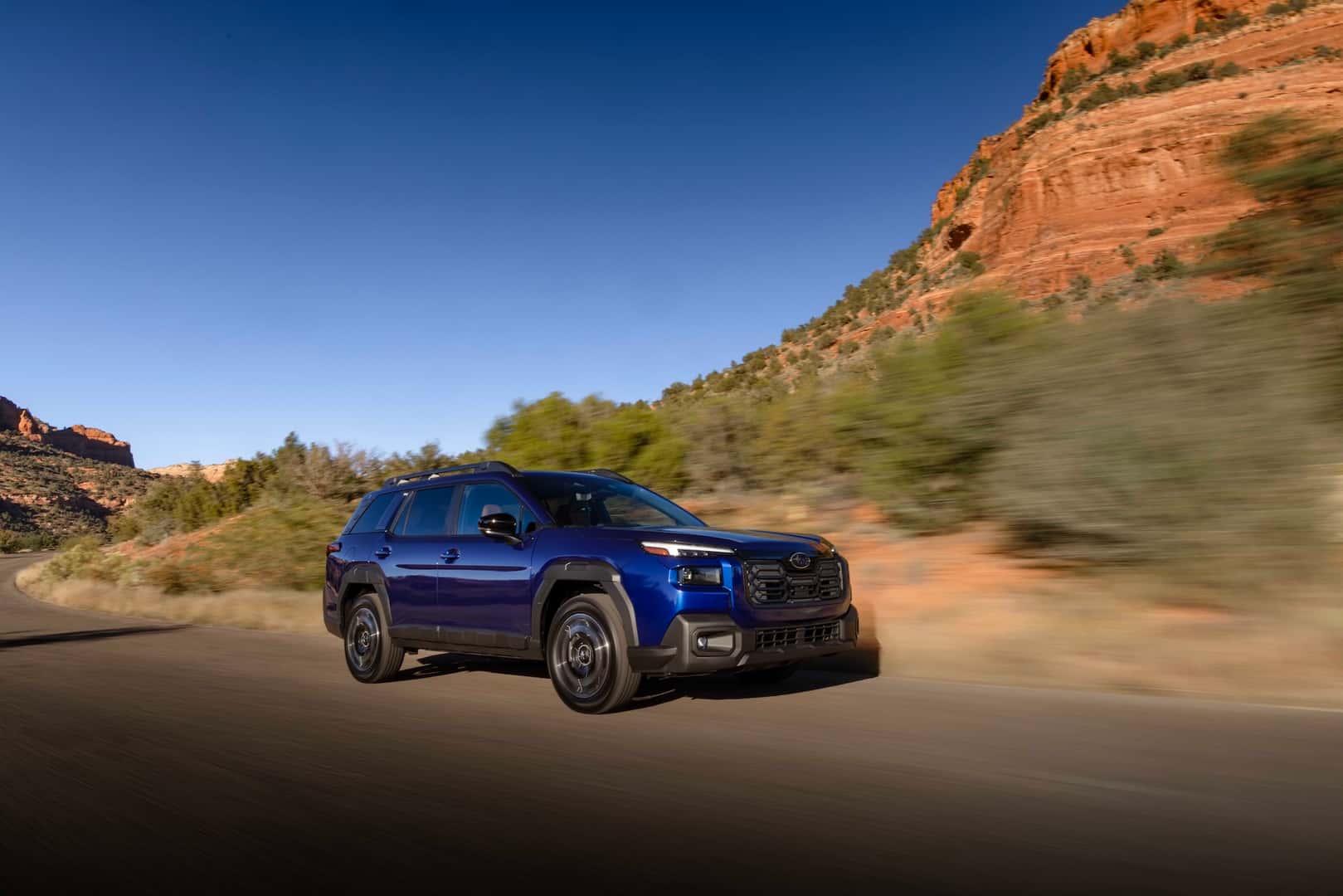
Cars.com points out that both these models are “popular, adventure-focused SUVs that are beloved by their owners, and both have recently been redesigned.” After a 14-year run with the previous design, the 4Runner was finally fully redesigned for the 2025 model year, while the Outback was completely redesigned this year with more SUV-like proportions and even greater off-road capability, particularly in the Wilderness model.
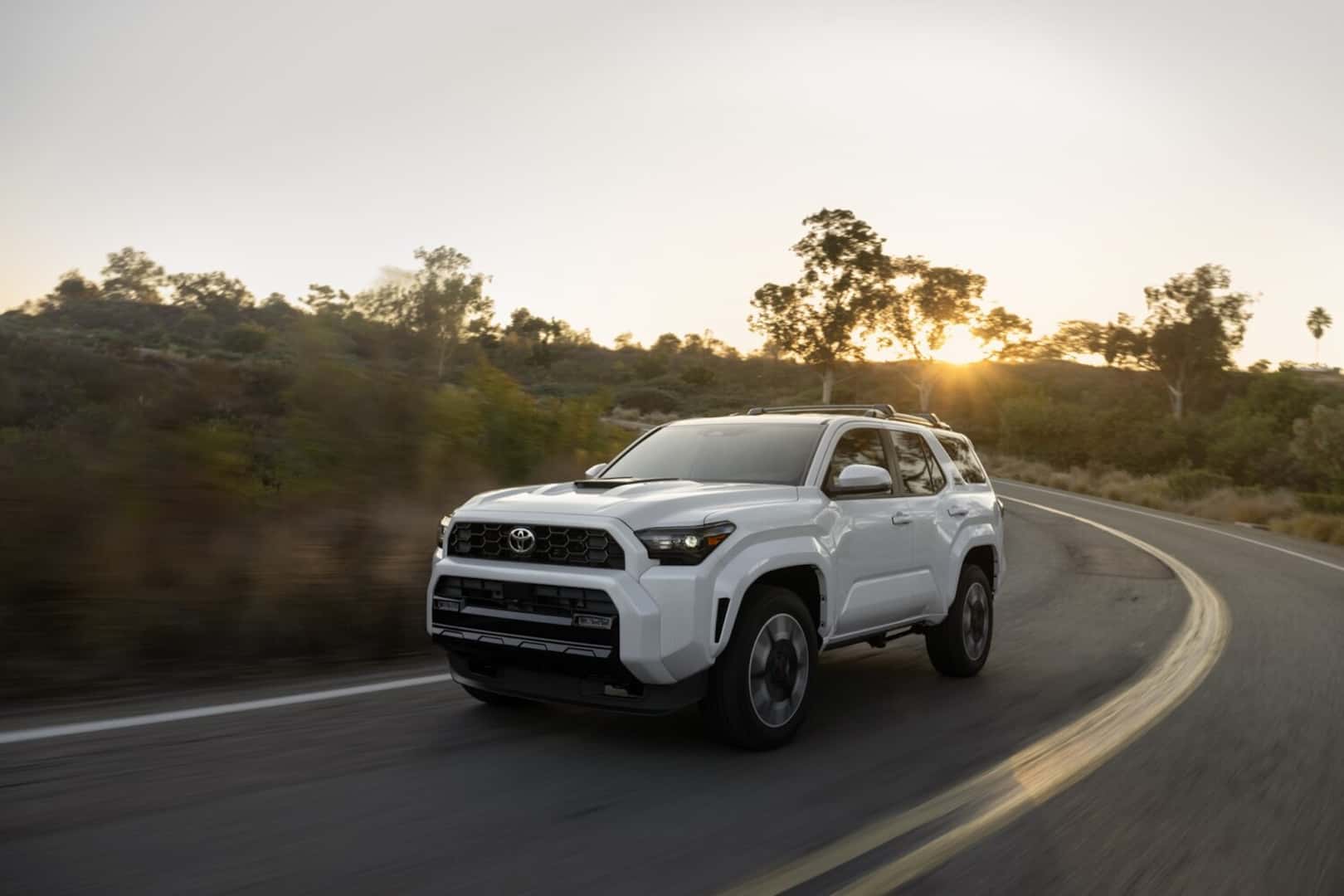
The biggest difference is that the 4Runner is built on a body-on-frame truck platform, with either rear-wheel drive or part-time 4WD with a two-speed transfer case, and it runs on turbocharged inline-4 or hybrid turbocharged drivetrains. The Outback is a crossover with unibody construction, all-wheel drive, and a choice of normally aspirated or turbocharged boxer-4 engines. There is also a significant price difference: the Outback starts at $36,445, while the 4Runner starts at $45,365. Still, the Outback Wilderness starts at $44,995, and the Touring XT starts at $47,995, so there is some overlap in price ranges.
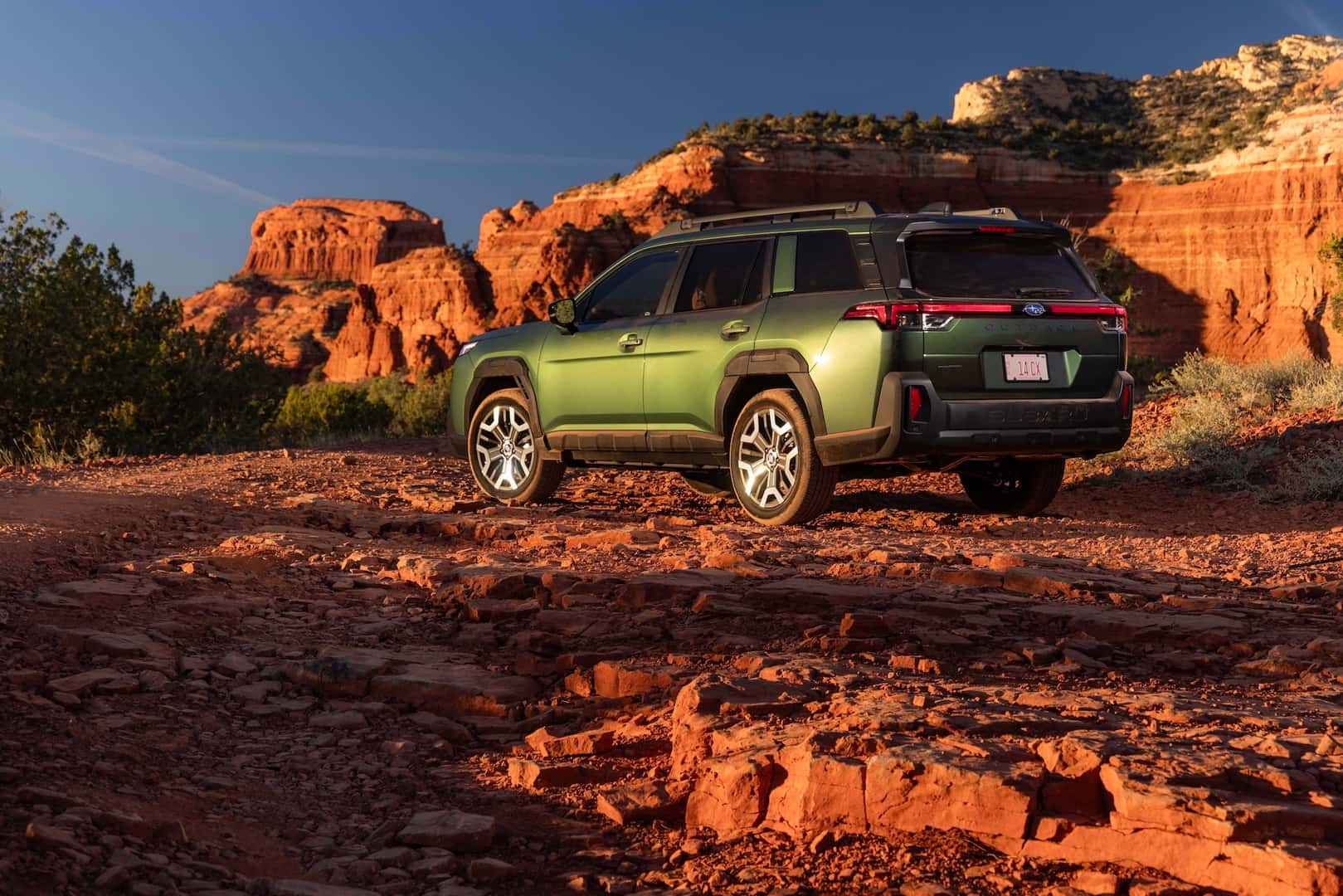
At the high end of the Outback model line, the engine is a 2.4-liter turbocharged horizontally opposed 4-cylinder that produces 260 horsepower and 277 lb-ft of torque. Combined EPA-estimated MPG is 24.
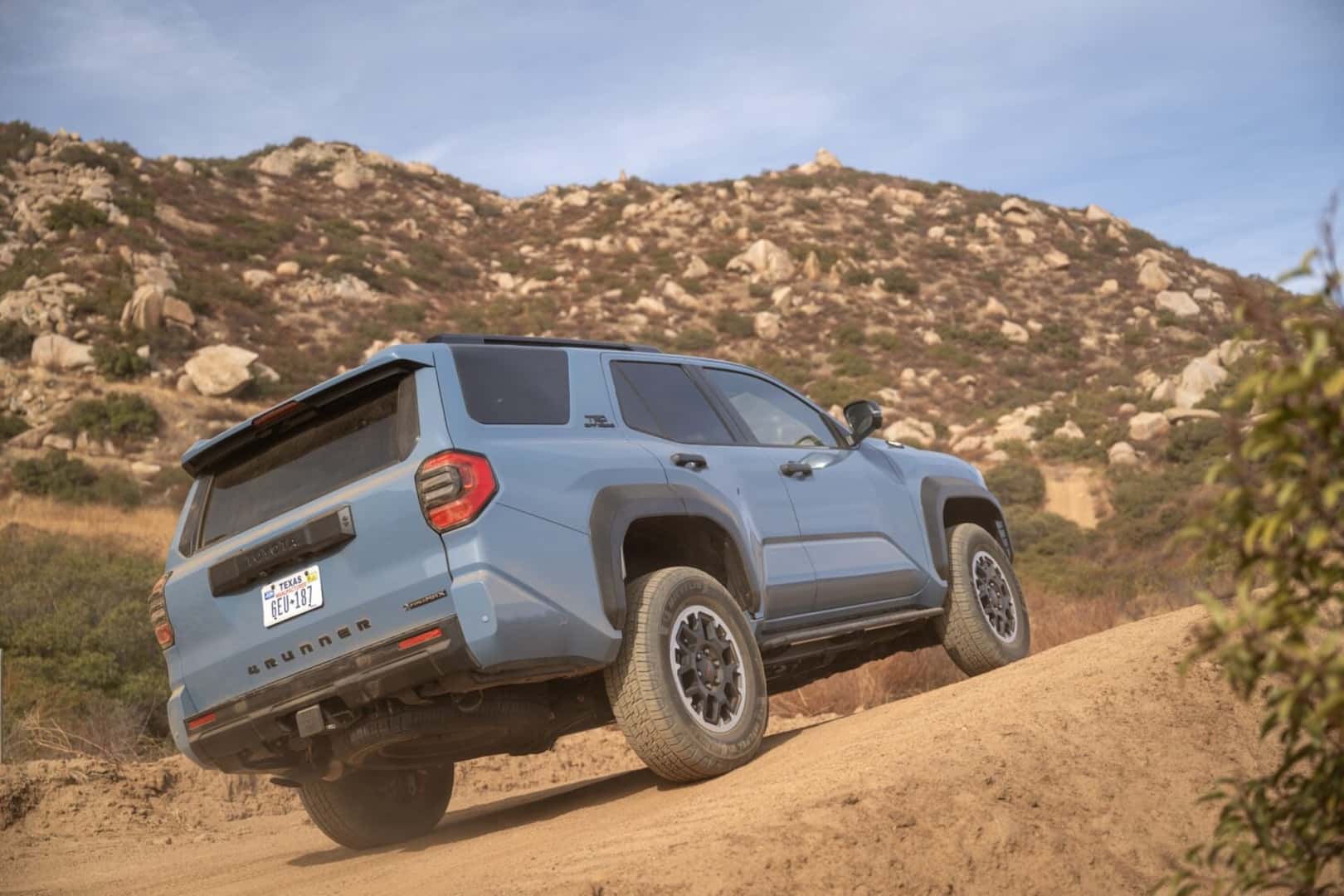
This is close to, though not quite matching, the non-hybrid 4Runner’s 2.4-liter turbocharged 4-cylinder engine, which produces 278 horsepower and 317 lb-ft of torque. Combined EPA MPG for the 4WD models is noticeably lower than the Outback’s at 21 mpg. The hybrid models combine gas engine and motors for 326 horsepower and 465 lb-ft of torque. However, because the drivetrain is designed for additional power rather than efficiency, the combined mpg is just 23.
The Outback’s standard ground clearance beats the 4Runner’s standard clearance (8.7 vs. 8.1 inches), while the Wilderness increases that figure to 9.5 inches, and some 4Runner models reach up to 10.1 inches. The Outback’s clearance should get you through some relatively rough trails leading to a favorite campsite or fishing location and get you out again, even if it rains. There is little question, however, that if you truly aim to do some rock-hopping level of off-road activities, or if you plan to tow above 3,500 pounds, the 4Runner will be the vehicle for you.
Outside those requirements, the Outback makes more sense. In addition to significantly better mpg, the cabin is a bit more spacious, with more headroom front and rear, and a big difference in rear legroom: 39.5 inches in the Outback compared to 34.8 inches in the 4Runner.
It is friendlier in other ways as well. As Cars.com points out: “The Outback trumps the 4Runner in ease of entry and exit. Its seats are set at a just-right height for step-in/step-out ingress and egress, and the bottom half of its rear-door openings are notably larger than the 4Runner’s, too; it’s much easier to slide my size-13 feet in and out. The 4Runner’s seats are set notably higher, enough so that entry and exit require a relatively awkward step up or down, even for tall folks like me. (6’6”) What’s more, the Outback’s relatively low beltline gives backseat passengers an airier, less closed-in feel than the 4Runner.”
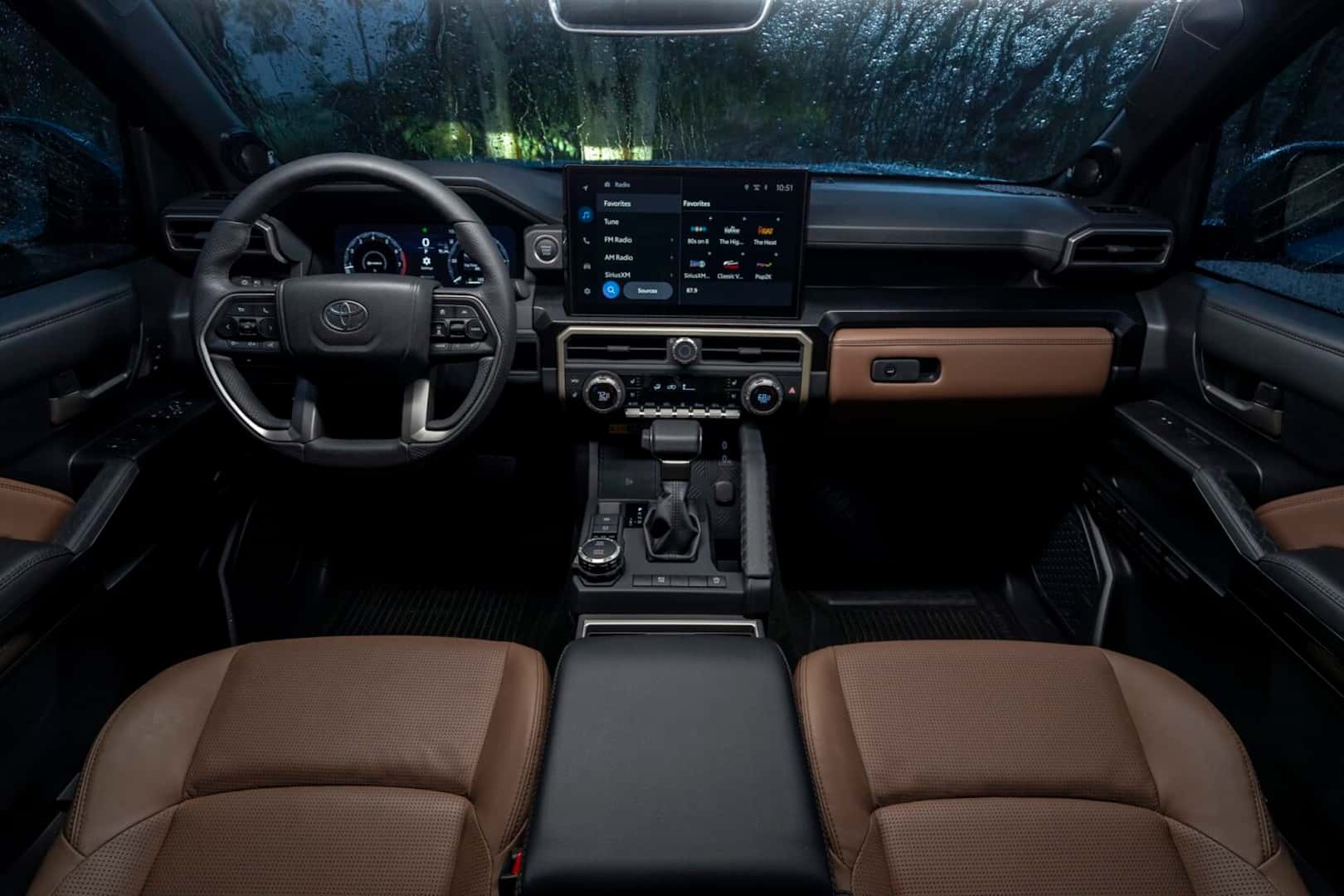
The 4Runner does keep the cargo comfortable, though, with more space behind the rear seats (34.6 vs. 48.4 cubic feet) and with the seat folded (80.5 vs. 90.2 cubic feet).
The Outback’s 12.3-inch center screen and 12.1 digital driver’s display feature an all-new operating system. Most 4Runners have a 14-inch center screen, a 12.3-inch driver display, and use an operating system Toyota has had for a while. The Outback’s dash design has a more luxurious look, particularly on higher trims, while the 4Runner, true to its ride and handling, has a more rugged, truck-like presentation.
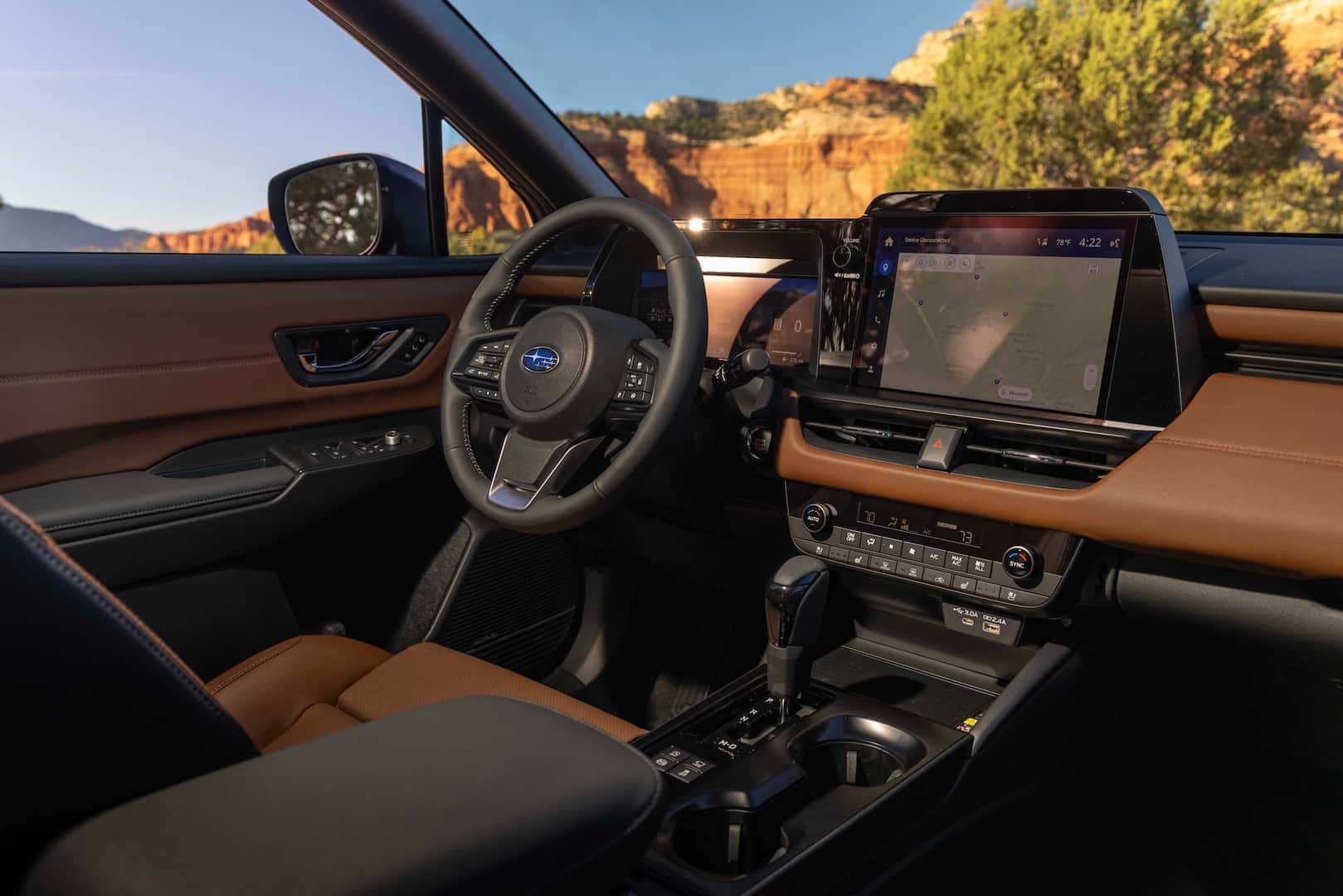
Again, if off-road or towing capability is a priority, the 4Runner will be the better choice. However, for everything else, the Outback is the more affordable, more comfortable, more efficient, and still quite off-road capable ride. If you live anywhere near the Carson City, Nevada area, visit Michael Hohl Subaru and check out the all-new Outback.
0 comment(s) so far on Cars.com Compares 2026 Outback with 2026 Toyota 4Runner